
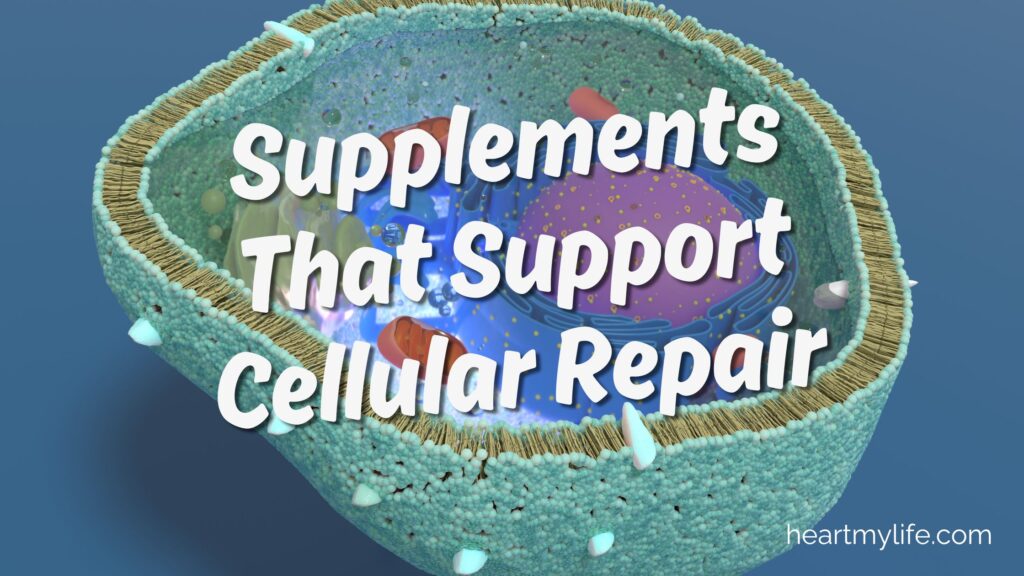
Most people don’t think about their cells. They think about their symptoms — the exhaustion that doesn’t go away no matter how much they sleep, the brain fog that makes it hard to think clearly, the feeling that their body just isn’t bouncing back the way it used to. But underneath all of those symptoms is something happening at a much deeper level: your cells — and the tiny energy factories inside them called mitochondria — are under constant assault.
Mitochondria are responsible for generating the energy your body runs on. Every heartbeat, every thought, every step you take depends on healthy, functioning mitochondria. When they’re damaged, everything suffers. But you can learn how to support your cells, and protect them from damage in the first place.
Hidden Cellular Threats Most People Don’t Know About
We live in a world that is, frankly, hard on our cells. Some of the biggest offenders are things most of us encounter regularly — sometimes daily —without realizing the damage being done.
Rancid and Industrially Processed Seed Oils
Canola, soybean, sunflower, safflower, corn, and cottonseed oils are everywhere — in restaurant food, packaged snacks, salad dressings, and “healthy” cooking sprays. The problem is that these oils are highly unstable. Rich in polyunsaturated fatty acids (PUFAs), they oxidize easily when exposed to heat, light, or air. When you eat oxidized, rancid oils, those degraded fats get incorporated into your cell membranes — including your mitochondrial membranes — making them stiff, leaky, and far less efficient at producing energy. The byproducts of oxidized seed oils, including aldehydes like 4-HNE, are toxic to cells and have been shown to damage mitochondrial DNA.
Mold and Mycotoxins
Mold isn’t just an aesthetic problem on your walls or your food. The mycotoxins that mold produces — like trichothecenes, ochratoxin A, and aflatoxins — are potent cellular toxins. They interfere directly with the mitochondria’s ability to produce ATP (your cellular energy currency), disrupt the electron transport chain, and create a cascade of oxidative stress that damages both the cell membrane and the mitochondrial membrane. Mycotoxin exposure is one of the most under-recognized drivers of chronic fatigue, neurological symptoms, and immune dysfunction.
Heavy Metals
Lead, mercury, arsenic, cadmium … these metals accumulate in the body over time from sources like contaminated water, certain fish, old pipes, dental amalgams, smoking, and environmental exposure. Heavy metals are particularly destructive to mitochondria because they bind to and displace essential minerals, disrupt enzyme function, and generate free radicals that overwhelm the cell’s natural antioxidant defenses.
Chronic Oxidative Stress
Oxidative stress happens when free radicals (unstable molecules that damage cells) outnumber your body’s ability to neutralize them. Beyond mold and heavy metals, oxidative stress is triggered by pesticide and herbicide residues, air pollution, processed foods, chronic emotional stress, and even excessive exercise without proper recovery. Mitochondria are both a major source and a primary target of oxidative damage.
EMF Exposure
Emerging research suggests that chronic exposure to electromagnetic fields from Wi-Fi routers, cell phones, and smart devices may also contribute to mitochondrial stress and disruption, though this area of science is still developing.
It Doesn’t Take Much
Here’s the hard truth: you don’t have to be living an extreme lifestyle to accumulate this kind of damage. A few years of cooking with vegetable oil, a water-damaged home or workplace, a region with naturally occurring arsenic in the groundwater — these everyday exposures quietly add up. And once your mitochondria are struggling, the downstream effects can be profound.
Signs Your Mitochondria May Be Under Stress
If you’ve been dealing with any of the following, mitochondrial dysfunction may be part of the picture:
- Persistent fatigue that doesn’t improve with rest
- Brain fog, poor memory, or difficulty concentrating
- Muscle weakness or unexplained aches
- Exercise intolerance — feeling wiped out after minimal physical activity
- Slow recovery from illness or injury
- Frequent infections or a sense that your immune system is always “on”
- Poor sleep quality
- Mood struggles — anxiety, depression, or emotional flatness
- Digestive sluggishness
- Sensitivity to chemicals, fragrances, or foods that didn’t used to bother you
- Feeling older than your age
These symptoms often get dismissed or attributed to stress, aging, or “just how you are.” But they’re signals. Your body is asking for support.
The Good News: Mitochondria Can Heal
How To Support Cellular Repair With Targeted Supplements
Here’s what I want you to hear: mitochondria are remarkably resilient when given the right conditions. They can repair, regenerate, and even multiply — a process called mitochondrial biogenesis. Reducing your toxic load, managing oxidative stress, and giving your cells the specific nutrients they need to rebuild can make a real difference in how you feel.
That’s exactly why I put together a curated set of supplements in my Fullscript dispensary in my Cellular Support Collection. If you are not using Fullscript, you should be! You get better sourced, higher quality products that are often tested for molds and metals and allergen free or at least more conscientious of those things. Setting up an account is free and you will automatically get a 10% discount for being one of my peeps!
These are the products I turn to when working with clients on energy, recovery, and cellular repair. Let me walk you through each one.
Lipoic Acid Supreme
One of the most powerful tools in cellular repair is alpha lipoic acid (ALA) — and Lipoic Acid Supreme delivers a therapeutic dose in a highly bioavailable form. ALA is a unique antioxidant because it works in both water-based and fat-based environments inside your cells, meaning it can neutralize free radicals virtually anywhere they cause damage — including inside the mitochondria themselves. What makes it especially valuable is its ability to “recharge” other antioxidants like vitamins C and E and glutathione, essentially extending their protective reach. ALA also supports healthy glucose metabolism, which matters for mitochondrial health because how efficiently your cells use glucose directly impacts how much energy they can produce. If oxidative stress has been part of your story — whether from mold exposure, heavy metals, or years of inflammatory eating — ALA is one of the foundational nutrients for turning that around.
PQQ
If there’s one nutrient that gets me genuinely excited when it comes to cellular recovery, it’s PQQ — pyrroloquinoline quinone — and Mito-PQQ is one of my go-to sources for it. Here’s why it’s so remarkable: PQQ is one of the few nutrients known to actually stimulate mitochondrial biogenesis — the process by which your cells grow brand new mitochondria. Think of it as not just repairing the damage, but rebuilding your energy infrastructure from the ground up. For people who have been dealing with chronic fatigue, brain fog, or slow recovery, this is significant. PQQ also acts as a potent antioxidant within the mitochondria specifically, helping to protect the new mitochondria being generated while reducing the oxidative burden that caused the damage in the first place. It’s a true regenerative nutrient — and one I reach for consistently when working with clients on energy and cellular repair.
Quality Omega 3s
Remember what we said about rancid seed oils getting incorporated into your cell membranes and making them stiff and dysfunctional? This is the antidote. Omega-3 fatty acids — found in Body Bio Resolvin and/or Super Omega-3 Gems — are the building blocks your body uses to construct healthy, fluid, functional cell membranes. When your membranes are made of quality fats rather than oxidized PUFAs, cells communicate better, absorb nutrients more efficiently, and respond to signals the way they’re supposed to. Omega-3s are especially critical in the brain and eyes, where cell membranes have an exceptionally high concentration of fatty acids — which is part of why omega-3 deficiency shows up so often as brain fog, mood changes, and visual disturbances. Think of these as the raw material your body has been waiting for to rebuild what years of processed food may have compromised.
Glutathione
If the body has a master antioxidant, glutathione is it. Every cell in your body produces glutathione, but chronic toxic exposure — mold, heavy metals, pesticides, ongoing oxidative stress — depletes it faster than most of us can replenish it through diet alone. When glutathione levels drop, the protective systems your cells rely on start to break down: mitochondria accumulate more damage, detoxification slows, and the cycle of inflammation and cellular injury becomes harder to interrupt. Supplementing with Glutathione directly replenishes this critical molecule, giving your cells the resources they need to neutralize free radicals, clear toxins, and protect mitochondrial function. It’s one of the most important nutrients for anyone who has experienced significant toxic exposure — and one of the first things I address when working with clients on cellular repair and detox support.
This product also contains the phospholipids mentioned below. Two-for-one!
Phospholipids
Your cell membranes aren’t just passive barriers — they’re dynamic, intelligent structures that control what gets in and out of your cells, facilitate communication between cells, and play an active role in energy production. And phospholipids are what they’re made of. Body Bio PC provides a highly bioavailable form of phosphatidylcholine, one of the most abundant and important phospholipids in the body. Cell membranes suffer damage by oxidized oils, toxins, or chronic inflammation, then lose their integrity and function. Phosphatidylcholine helps restore that structural foundation, improving membrane fluidity, supporting cellular signaling, and protecting mitochondria (which have their own phospholipid-rich membranes that require the same nutrients to stay healthy). It’s particularly valuable for brain health, liver function, and anyone working to rebuild after significant toxic exposure.
And when you purchase through one of the links above, you will automatically qualify for my store-wide 10% discount any products you purchase.
How To Start Healing
There’s one thing I want you to take away from this: Supplements alone can only do so much. Reducing the sources of damage is the most important first step — because if your cells are being repaired on one hand and attacked on the other, healing becomes an uphill battle. That means looking honestly at what you’re cooking with, what’s in your water, whether there’s hidden mold in your environment, and where heavy metals might be sneaking in.
If you’re not sure where to start, I created my free workshop Easy Ways to Level Up Your Health specifically to give you tools, resources, and information to help you identify and remove the most common sources of toxic exposure in a way that feels doable — not overwhelming. The good news is that even small changes can meaningfully reduce your toxic load. And while you’re doing that work, the supplements in this list are an excellent way to get the repair process underway. You don’t have to wait until everything is perfect to start supporting your cells. Begin where you are, reduce what you can, and give your body the building blocks it needs to rebuild.
The body is remarkably good at healing — when we get out of its way.
PS. Want to learn more about your mitochondria? Here’s another article to check out. Mitochondrial Dysfunction and Chronic Fatigue