
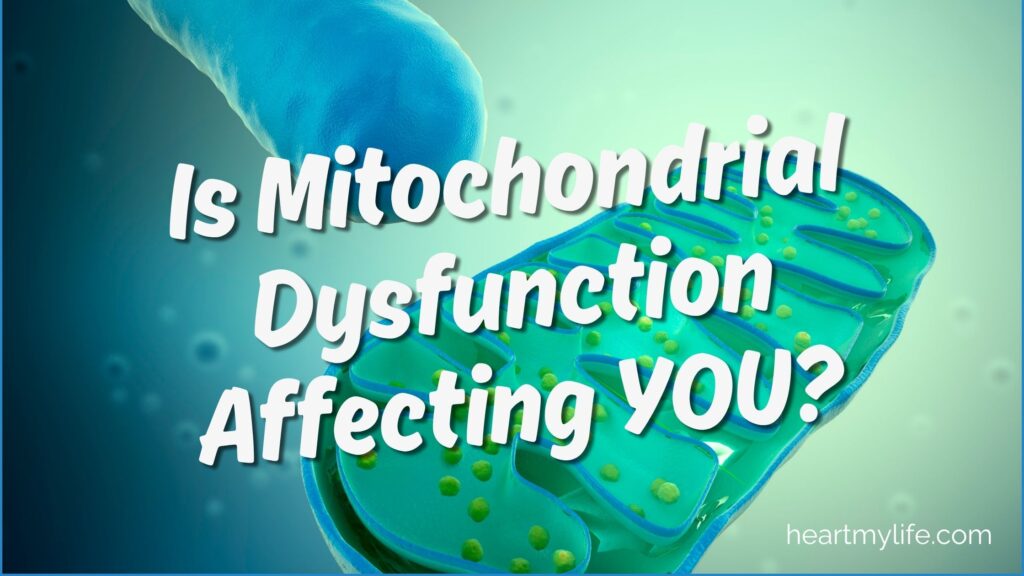
You’ve been told your labs are normal. You’re sleeping, drinking water, maybe even eating well. And yet — you’re exhausted in a way that doesn’t make sense. You wake up tired. You hit a wall by midafternoon. Your brain feels like it’s moving through fog. You’ve started wondering if this is just you now.
It’s not.
And the answer might not be found in the tests your doctor is running.
What I see again and again in my practice is that chronic, unexplained fatigue often has a cellular cause — one that standard bloodwork simply doesn’t look for. It comes down to the mitochondria, and what’s happening inside your cells at the level most conventional medicine never reaches.
What Your Mitochondria Actually Do
Here’s the simple version: mitochondria are tiny structures inside almost every cell in your body, and their job is to produce energy. They take the food you eat and the oxygen you breathe and convert them into ATP —adenosine triphosphate — the fuel your cells run on.
Your heart runs on it. Your brain runs on it. And your muscles, your immune system, your gut … all of it depends on a steady supply of ATP to function.
When your mitochondria are working well, you feel it. You have energy that lasts. You think clearly. Your body recovers from stress and exertion without falling apart.
When they’re not working well? Everything suffers and no amount of sleep or caffeine can compensate for a deficit that’s happening at the cellular level.
The Hidden Threats Most People Don’t Know About
So what damages mitochondria? This is where it gets important, especially if you’ve been told you’re “fine” but you know something is off.
Heavy Metals
Heavy metals are one of the most significant and underrecognized threats to mitochondrial function. Mercury, lead, cadmium, and arsenic all interfere with the mitochondrial electron transport chain — the process by which your cells actually generate ATP. Research published in PMC found that these metals disrupt mitochondrial membrane potential, generate excess reactive oxygen species (damaging byproducts), and can trigger cell death signaling. Mercury in particular has been shown to be among the most potent mitochondrial disruptors, depleting glutathione — one of your body’s primary antioxidant defenses — in the process.
Mycotoxins
Mycotoxins, the toxic compounds produced by mold, are another major culprit I see constantly when I run toxin panels. Specific mycotoxins target specific parts of the energy production process. Ochratoxin A directly inhibits ATP synthase, essentially shutting down the cellular power plant. Trichothecenes (produced by black mold) prevent mitochondria from repairing their own machinery. Aflatoxin generates oxidative damage to mitochondrial DNA. A review published in Cell Death & Disease confirmed that mycotoxins can structurally disturb the inner mitochondrial membrane … the site where energy production happens. If you’ve lived or worked in a water-damaged building, this deserves serious attention.
Environmental Chemicals
Environmental chemicals, including pesticides, air pollutants, plasticizers like BPA, and industrial compounds, round out the picture. A comprehensive review in Current Environmental Health Reports found that a wide range of environmental toxicants can damage mitochondria through increased oxidative stress, depletion of mitochondrial DNA, and disruption of cellular energy metabolism. Chronic low-level exposure — the kind most of us don’t even notice — is enough to take a real toll over time.
Here’s what makes this especially tricky: your mitochondria are responsible for fueling your body’s detox pathways. When they’re damaged, your ability to clear these toxins slows down, creating a cycle that can be very difficult to break without targeted support.
What Mitochondrial Dysfunction Feels Like
There’s no single symptom that definitively points to mitochondrial dysfunction, which is part of why it’s so often missed. But there are patterns I’ve learned to recognize:
- Persistent fatigue that doesn’t improve with rest
- Brain fog — difficulty concentrating, slow thinking, word retrieval problems
- Muscle weakness or achiness without a clear physical cause
- Poor exercise tolerance — feeling wiped out from activity that used to feel manageable
- Slow recovery from illness, stress, or physical exertion
- Poor sleep quality despite adequate hours in bed
- Sensitivity to chemicals, fragrances, or environmental exposures
If several of these sound familiar, it doesn’t mean something is wrong with you. It means something is happening inside of you that hasn’t been properly investigated.
Why Standard Labs Miss This
Conventional lab panels are designed to look for disease, not for dysfunction that hasn’t yet crossed into a diagnosable condition. A basic metabolic panel, CBC, or thyroid screen won’t tell you anything about how well your mitochondria are producing energy, what your toxic burden looks like, or whether mycotoxins are undermining your cellular function.
This is the gap that functional medicine is designed to fill. By looking upstream — at toxin levels, nutrient status, organic acids, and markers of cellular function — we can often identify what’s driving symptoms that conventional medicine has written off as normal variants or stress.
Healing Your Mitochondrial Dysfunction And Chronic Fatigue
If you’ve been living with fatigue that doesn’t make sense, understanding your mitochondrial function is one of the most important things you can do.
I created a free Mitochondrial Energy Quiz to help you get a clearer picture of what might be affecting your cellular energy right now. It takes about two minutes and covers the key factors, including toxic exposures, symptoms, and lifestyle patterns — that influence how well your mitochondria are functioning.
It won’t give you a diagnosis. But it will give you a starting point, and sometimes that’s exactly what you need to begin moving in the right direction.
—>>> Take The Free Mitochondrial Energy Quiz Here
You’ve been told you’re fine. But you deserve answers that actually match how you feel!
Lisa
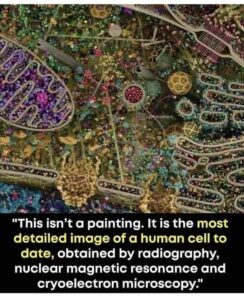
PS: I found this image of the inside of your cell. The mitochondria is that purplish bean-shaped thing on the left.
Sources:
- Heavy Metal Toxicity: Sources, Mechanisms, and Management — MDPI
- Mitochondrial Electron Transport Chain in Heavy Metal-Induced Neurotoxicity — PMC
- The Mycotoxin Phomoxanthone A Disturbs the Inner Mitochondrial Membrane — Cell Death & Disease
- Mycotoxin-Assisted Mitochondrial Dysfunction and Cytotoxicity — PubMed
- Environmental Chemical Exposures and Mitochondrial Dysfunction — Current Environmental Health Reports
- The Link Between Environmental Toxins and Chronic Fatigue Syndrome — Rupa Health
- Mitochondrial Dysfunction as a Hallmark of Environmental Injury — MDPI