Why what you spray in your yard may be silently affecting your health — and what to use instead
Ah, summer. The sun is warm, the days are long, the birds are singing — and apparently, every weed within a five-mile radius has received a memo that it’s time to take over your yard. Dandelions in the cracks. Crabgrass edging into the flower beds. That mystery vine you’ve never been able to identify, cheerfully strangling your hosta. Everything is growing like crazy right now, and I mean everything.
It’s tempting, I know. You see a commercial for Roundup, the weeds are staring you down, and you think: one good spray and this is over. But before you reach for that bottle, I want to share a few things — because what’s in that spray doesn’t just stay in your yard. It can end up in you.
What’s Really in That Bottle
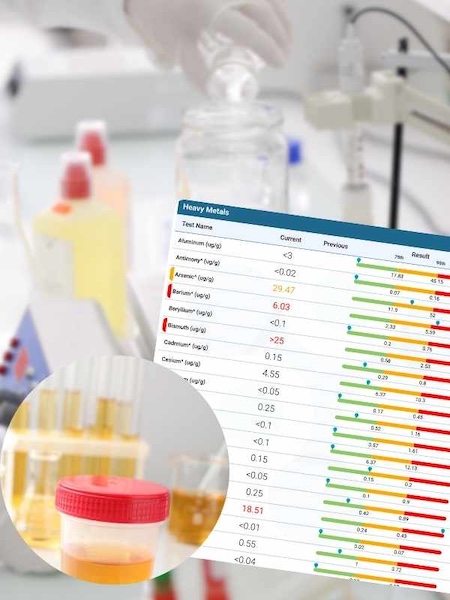
The most widely used herbicide in the world is glyphosate — and it’s the active ingredient in Roundup and dozens of other weed killers. Glyphosate is so prevalent that it shows up regularly on toxin testing panels I run, which means many of us are already carrying a burden of it in our bodies without even realizing it. But how does it get there? Drift from a neighbor’s yard. Residue on food. And yes — using it directly in your own outdoor spaces.
Here’s what the research shows about glyphosate exposure:
- Gut dysbiosis and microbiome disruption — Glyphosate works by inhibiting a specific enzyme pathway. That same pathway exists in your gut bacteria. Exposure can kill off beneficial bacteria, shifting the microbial balance in ways that affect digestion, immunity, and mood.
- Leaky gut — Disruption of the gut lining allows undigested particles and toxins to pass into the bloodstream, triggering immune reactions and systemic inflammation.
- Leaky brain — There is growing evidence that glyphosate may compromise the blood-brain barrier, allowing substances through that the brain is not equipped to handle.
- Non-Hodgkin’s lymphoma — The International Agency for Research on Cancer (IARC) classified glyphosate as a Group 2A probable carcinogen. Lawsuits involving thousands of plaintiffs have pointed to a link between long-term exposure and this blood cancer.
- Endocrine disruption — Glyphosate can interfere with hormone signaling, including estrogen and androgen pathways — with implications for fertility, thyroid function, and metabolic health.
- Liver and kidney effects — Studies have linked glyphosate exposure to markers of liver stress and reduced kidney function, particularly with repeated or chronic exposure.
- Inhibition of CYP450 enzymes — This is a big one from a functional medicine standpoint. The CYP450 enzyme system is your body’s primary detoxification pathway. When glyphosate inhibits these enzymes, your ability to process and eliminate other toxins — medications, environmental chemicals, heavy metals — is significantly compromised.
Worth Noting:
- Some products market themselves as “glyphosate-free” alternatives, but the reality is that most chemical herbicides carry their own set of concerns — synthetic surfactants, petroleum-derived solvents, or other active ingredients with limited long-term safety data. The bottom line: if it comes in a chemical bottle with a warning label, you’re likely adding to your toxic burden with every use. And for those of us focused on detox and healing, that’s the last thing we want to do.
A Recipe That Actually Works — No Chemicals Required
Good news: you don’t need any of that. There’s a simple, inexpensive DIY weed killer that works remarkably well on most broadleaf weeds and grasses, and you probably already have everything you need in your pantry.
NATURAL WEED KILLER RECIPE
- 1 gallon of white vinegar
- 1 cup of table salt
- 1 tablespoon of liquid dish soap (Dawn works great)
To make it: Combine all three ingredients in a bucket and stir well until the salt is fully dissolved — don’t rush this step. The salt needs to be completely incorporated before you transfer it to your sprayer.
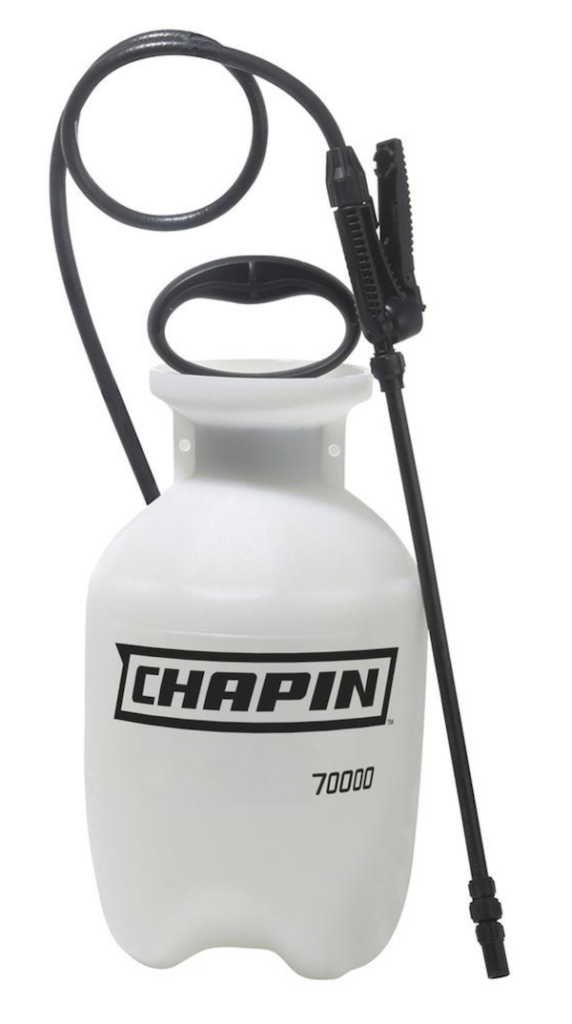
Once mixed, pour the solution into a sprayer. A basic manual spray bottle works fine for smaller areas and precision targeting. For larger areas or bigger weed patches, a pump-style pressurized garden sprayer (the kind you hand-pump to build up air pressure) gives you much better coverage and saves your hand from cramping up.
How to apply: Spray directly on the leaves and base of the weeds on a sunny, dry day. The vinegar and salt work together to desiccate the plant — essentially drawing all the moisture out — while the dish soap acts as a surfactant, helping the solution stick to the leaves rather than beading off. You’ll typically start seeing results within a few hours, and most weeds are visibly wilted or browning by the next day.
A word of caution: This mixture is non-selective — it will kill or damage any plant it touches, not just weeds. Apply carefully around plants and grass you want to keep. Because of the salt content, it can also affect the soil in areas where you apply it heavily and repeatedly. Use it with intention rather than broadcasting it across your whole lawn or garden.
See It in Action — Results From My Own Yard
I tested this in my own yard recently — and I’ll let the photos do the talking. I targeted a few different areas to see how the recipe performed across the board. After spraying it on a sunny, hot day, 24 hours later this is what it looks like.
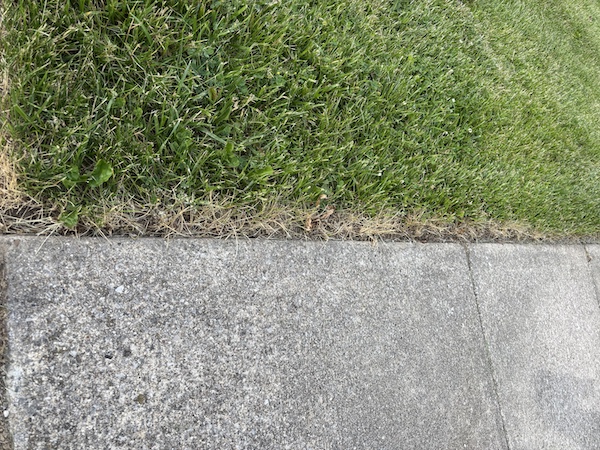
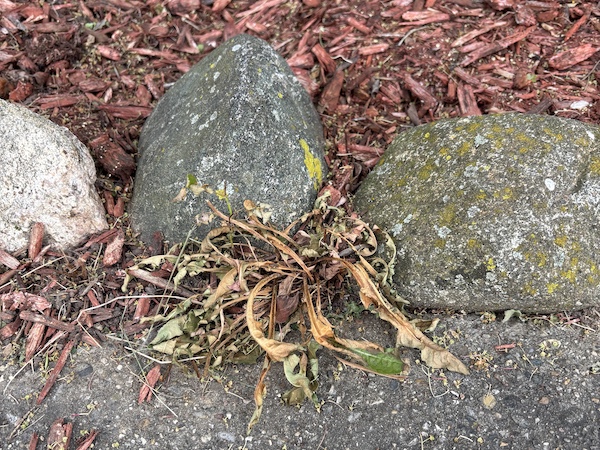
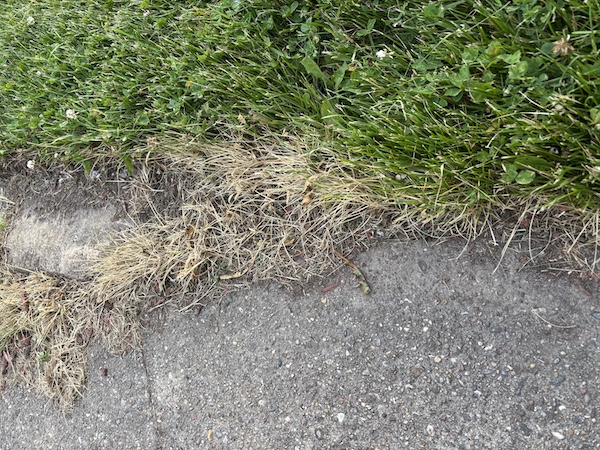
The results speak for themselves. No gloves required. No protective eyewear needed. And you won’t find a label warning you to keep children and pets off the lawn for 48 hours. Just three simple ingredients, a few hours of sunlight, and dead weeds.
This is a small thing — but the small things add up. Every time you swap a chemical solution for a safer one, you’re reducing your exposure and your family’s exposure to compounds that have no business being in your body. And especially if you’re already on a detox protocol or working to support your gut health, it matters.
Want to know if glyphosate is already in your system?
Toxin testing — which includes glyphosate — is something we offer as part of our functional medicine services. If you’d like to learn more about getting tested or reducing your overall toxic burden, I’d love to connect.